
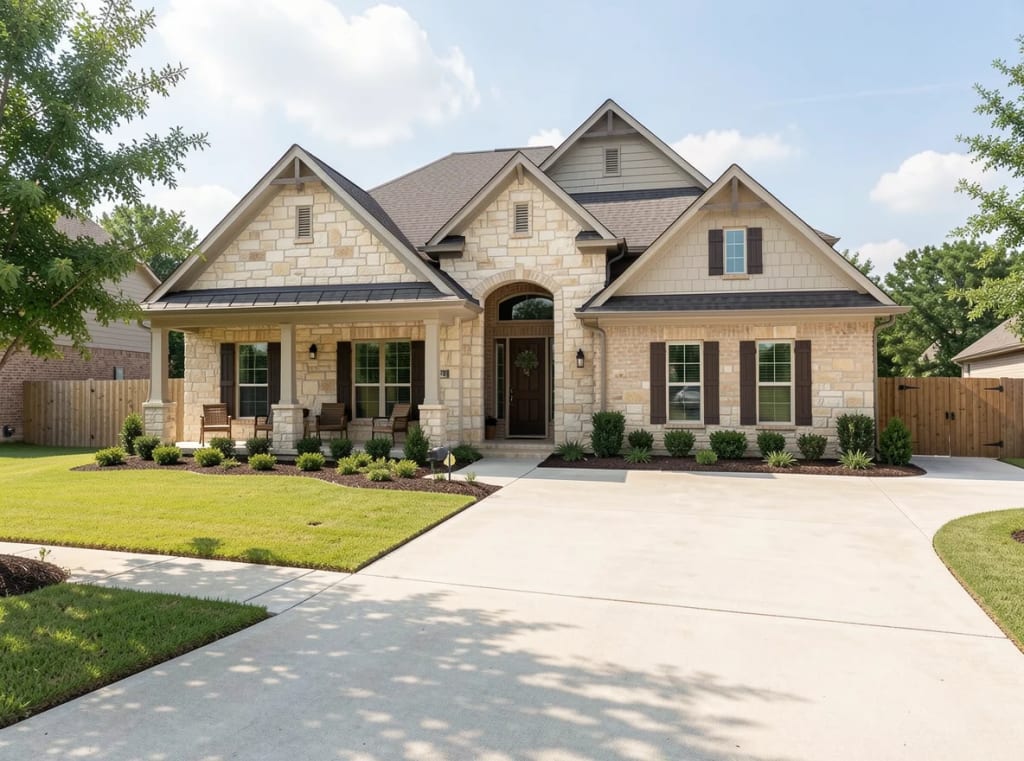
What $500K to $800K Buys in Cedar Park vs Leander for Suburban Buyers
What Suburban Buyers Can Expect Between $500K and $800K
For buyers searching northwest of Austin, this price band opens up a very appealing middle ground: enough budget for meaningful space, modern finishes, and strong community amenities, but still with choices to make about location, lot size, age, and overall feel. Cedar Park and Leander often land on the same short list because both offer access to major employers, respected schools, parks, and an easygoing suburban rhythm. Yet once you start touring homes, the differences become much clearer.
One city often feels a bit more established and polished, while the other tends to offer more room to stretch, especially as newer development pushes outward. That makes this comparison especially helpful for households deciding whether they value convenience, mature neighborhoods, and shorter drives, or whether they prefer a newer home, larger footprint, and potentially better price-per-square-foot. With guidance from Bramlett Partners and Debbie Marett’s practical, locally informed approach, buyers can look beyond listing photos and understand what daily life really feels like in each market.
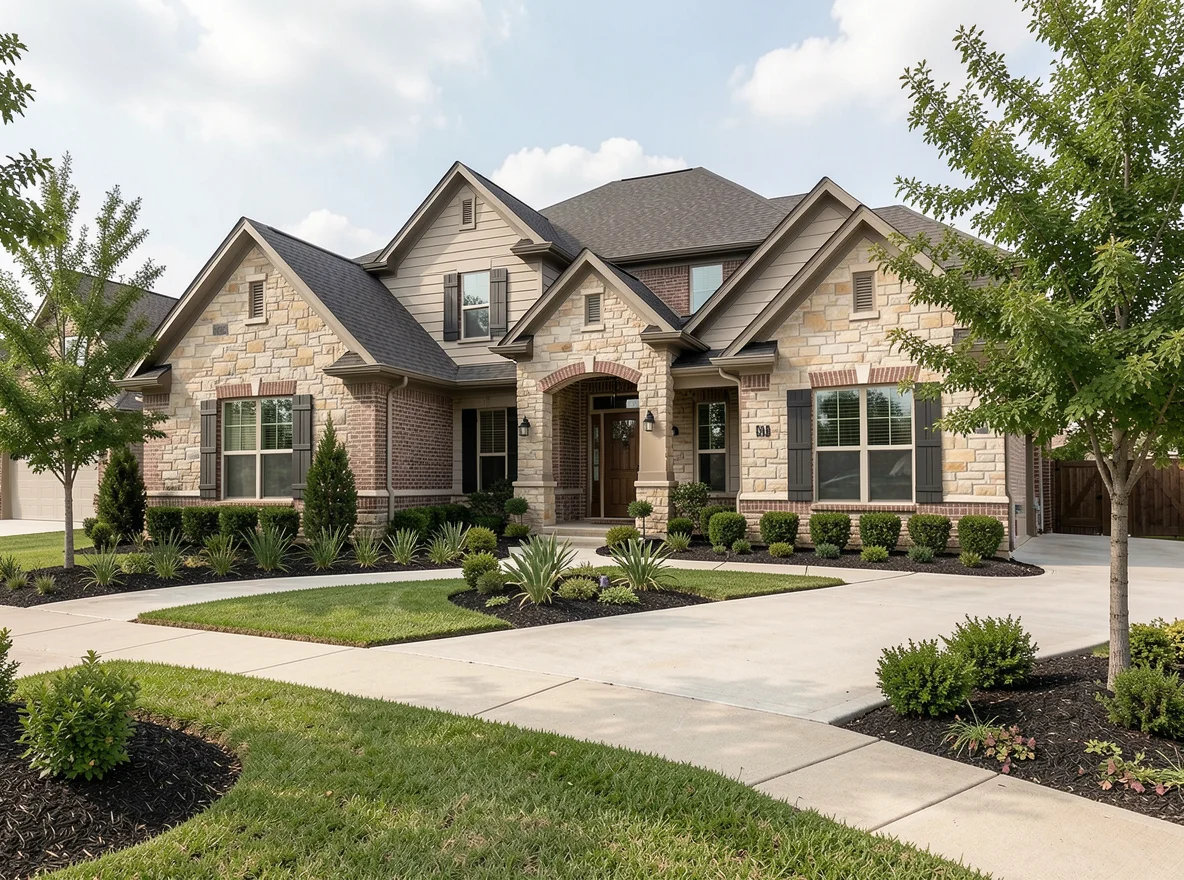
In Cedar Park, roughly $500K to $800K frequently buys a home in a more established suburban setting with mature trees, nearby retail and services, and a sense that the area has already grown into itself. Buyers in the lower end of that range may find well-kept homes with three to four bedrooms, practical floor plans, and neighborhood amenities such as pools, trails, and playgrounds. As the budget climbs, options often expand to larger homes with dedicated offices, updated kitchens, outdoor living areas, and sought-after locations near major commuting routes and top-performing schools.
The appeal here is often convenience. Cedar Park can feel more connected for buyers who want suburban comfort without pushing too far from Austin’s employment centers and entertainment districts. Many neighborhoods are close to everyday essentials, youth sports facilities, medical offices, and dining options, which matters more than buyers sometimes realize until they imagine a typical Tuesday with school drop-off, errands, and evening activities. Real estate in this range tends to reflect that practicality: homes may not always sit on the biggest lots, but they often offer strong resale appeal because the surrounding infrastructure is already in place.
Leander, by contrast, often attracts buyers looking for a little more breathing room. In the same $500K to $800K window, it is common to see newer construction, larger homes, and in some cases larger lots or more ambitious community planning. Buyers may step into open-concept layouts, taller ceilings, newer energy-efficient systems, and flexible spaces that support remote work, multigenerational living, or growing households. If your wish list includes a three-car garage, a game room, or a backyard with room for a pool, Leander can be especially compelling.
Lifestyle Differences Matter as Much as Square Footage
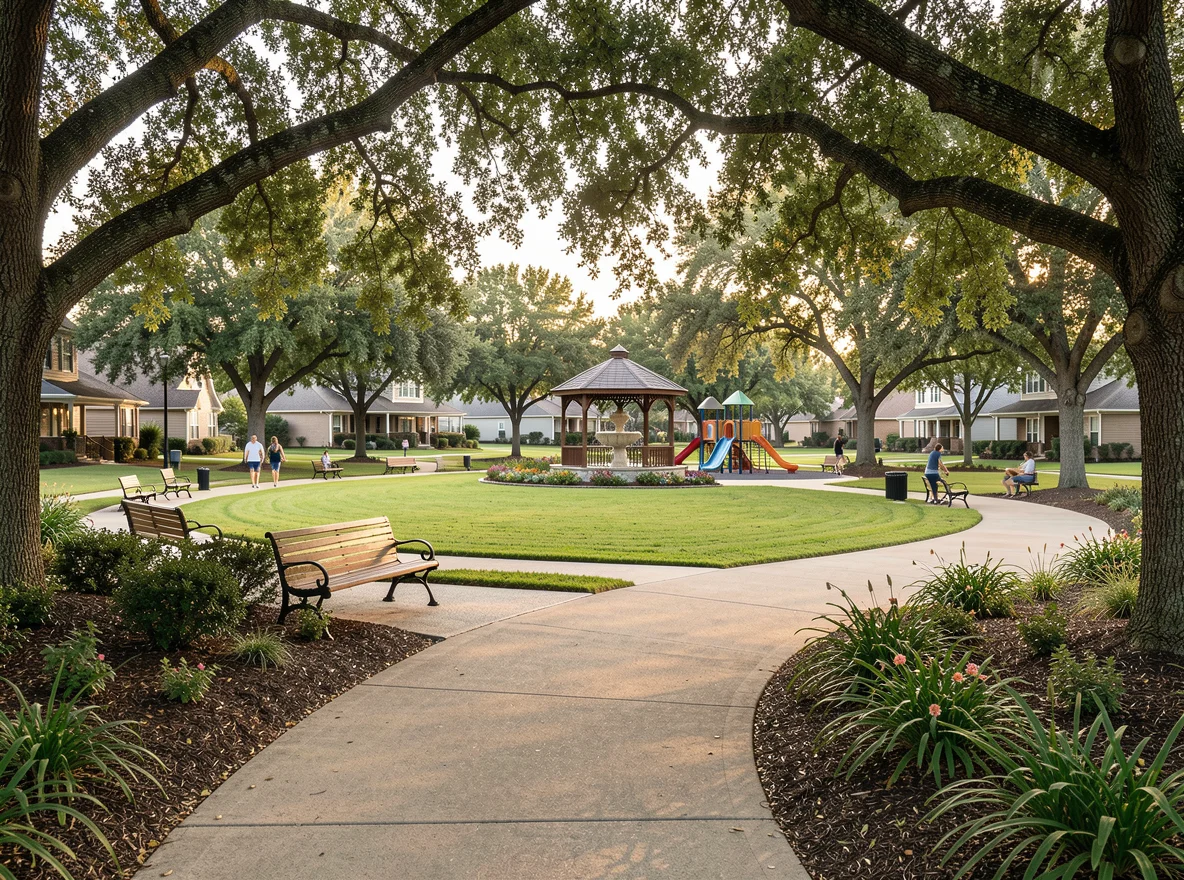
What often surprises buyers is that this decision is not just about the house itself. It is about pace. Cedar Park generally suits buyers who want an established suburban environment with a slightly more built-out feel. Streets, amenities, and neighborhood patterns can feel familiar and settled. For many people, that translates to confidence: they know what the area is, how it functions, and how it may hold value over time.
Leander can feel more forward-looking. New communities continue to shape the landscape, and that gives some neighborhoods a fresh, evolving energy. Buyers who enjoy newer amenities, community trails, planned recreation areas, and the sense of getting in on a growing area often respond well to Leander. There can also be more variation in housing stock as development expands, so working with an agent who understands builder quality, tax rates, HOA structures, and future infrastructure becomes especially important.
Schools also play a major role in this comparison. Both cities are associated with districts that draw family buyers, and school attendance boundaries can significantly affect value, demand, and how quickly a home sells. Rather than assuming one address is automatically better than another, savvy buyers should evaluate specific neighborhoods and feeder patterns. Debbie Marett’s education background is particularly useful here, helping clients think through not only the numbers but also the daily realities of family life, learning environments, and long-term planning.
Recreation is another strong point for both communities. Buyers who want trails, athletic fields, parks, and nearby outdoor access will find plenty to like in this corridor. Cedar Park offers many established community conveniences, while Leander’s growth has brought newer parks and gathering spaces into the mix. For households that spend weekends at youth games, in local green spaces, or exploring Lake Travis area recreation within a reasonable drive, either city can support an active suburban lifestyle.
Which City Fits Your Priorities Best?
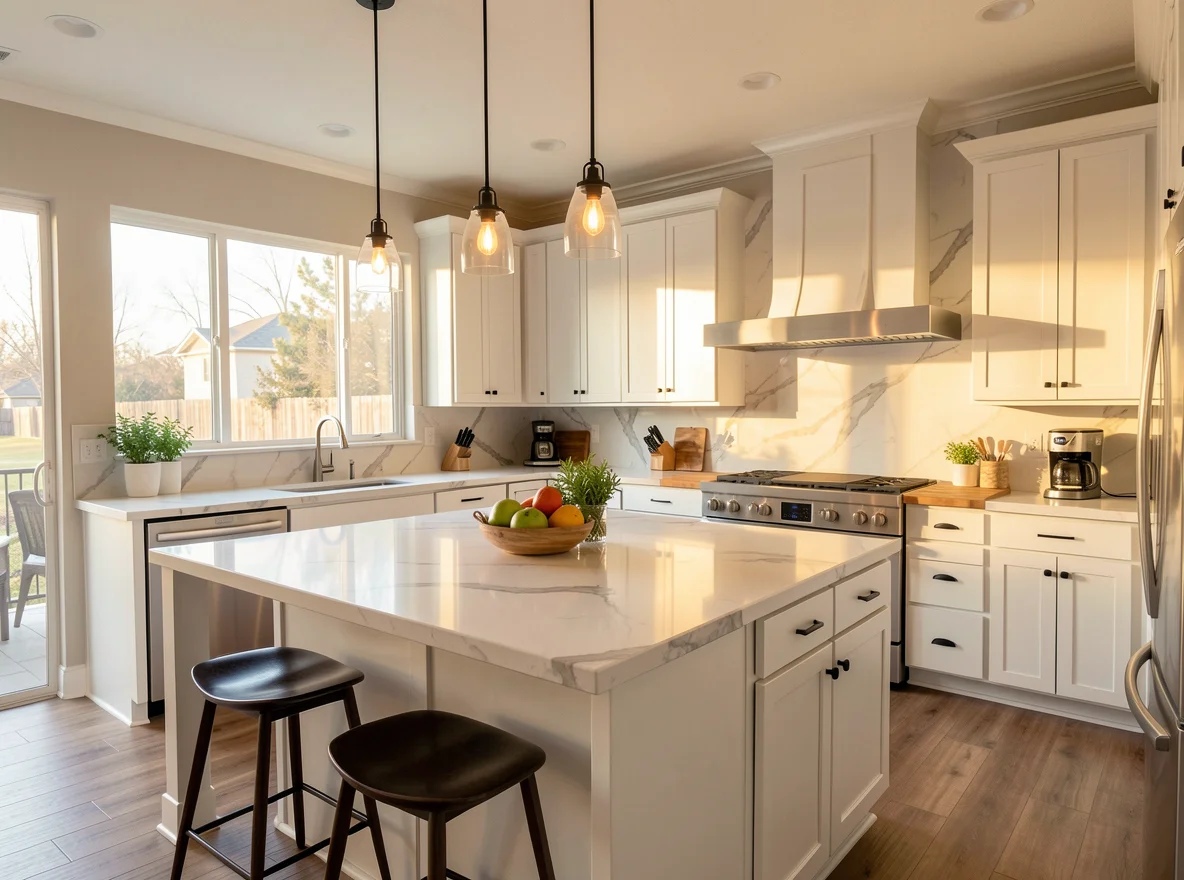
Choose Cedar Park if your top priorities are convenience, established surroundings, and a location that often feels a bit closer-in and more mature. Buyers in this camp may be willing to trade some lot size or newness for neighborhood stability, quicker access to daily services, and strong long-term market appeal. Homes between $500K and $800K here frequently offer that sweet spot of comfort, functionality, and easy livability.
Choose Leander if you want more house for the money, newer construction, and a suburban setting with room to grow. This can be the better fit for buyers who value square footage, flexible floor plans, and communities designed around contemporary living patterns. For many households, especially those planning to stay put for several years, that extra space can have a major impact on quality of life.
There is no universal winner, only the better match for how you want to live. Some buyers tour Cedar Park and immediately connect with the established feel. Others walk into a newer Leander home and realize the extra space changes everything. The key is comparing not just list prices, but commute patterns, neighborhood character, tax implications, schools, amenities, and the kind of resale story each property may tell down the road.
That is where experienced local guidance makes a real difference. As a longtime Central Texas resident, Debbie Marett helps buyers cut through the noise and focus on what matters most for their budget and lifestyle. Whether you are drawn to Cedar Park’s polished convenience or Leander’s newer, roomier options, the right home in this price range is not just about what you can buy. It is about where your everyday life will feel easiest, happiest, and most at home.