
Relocating to Austin? 8 Local Clues for Choosing the Right Side of Town
8 Local Clues That Help You Pick the Right Side of Austin
Austin looks straightforward on a map, but anyone who has spent real time here knows the city changes personality block by block. One side of town can feel leafy, established, and quietly residential; another can feel newer, faster-paced, and built around convenience. If you are relocating, the goal is not simply finding a house you like. It is figuring out which daily rhythm fits you best.
That is where local perspective matters. A longtime Central Texas resident can often spot the difference between a neighborhood that looks good during a Saturday showing and one that truly works on a Tuesday morning when you are commuting, dropping kids off, meeting friends, and trying to enjoy your weekends. These clues can help you narrow your search with more confidence before you fall in love with the wrong zip code.
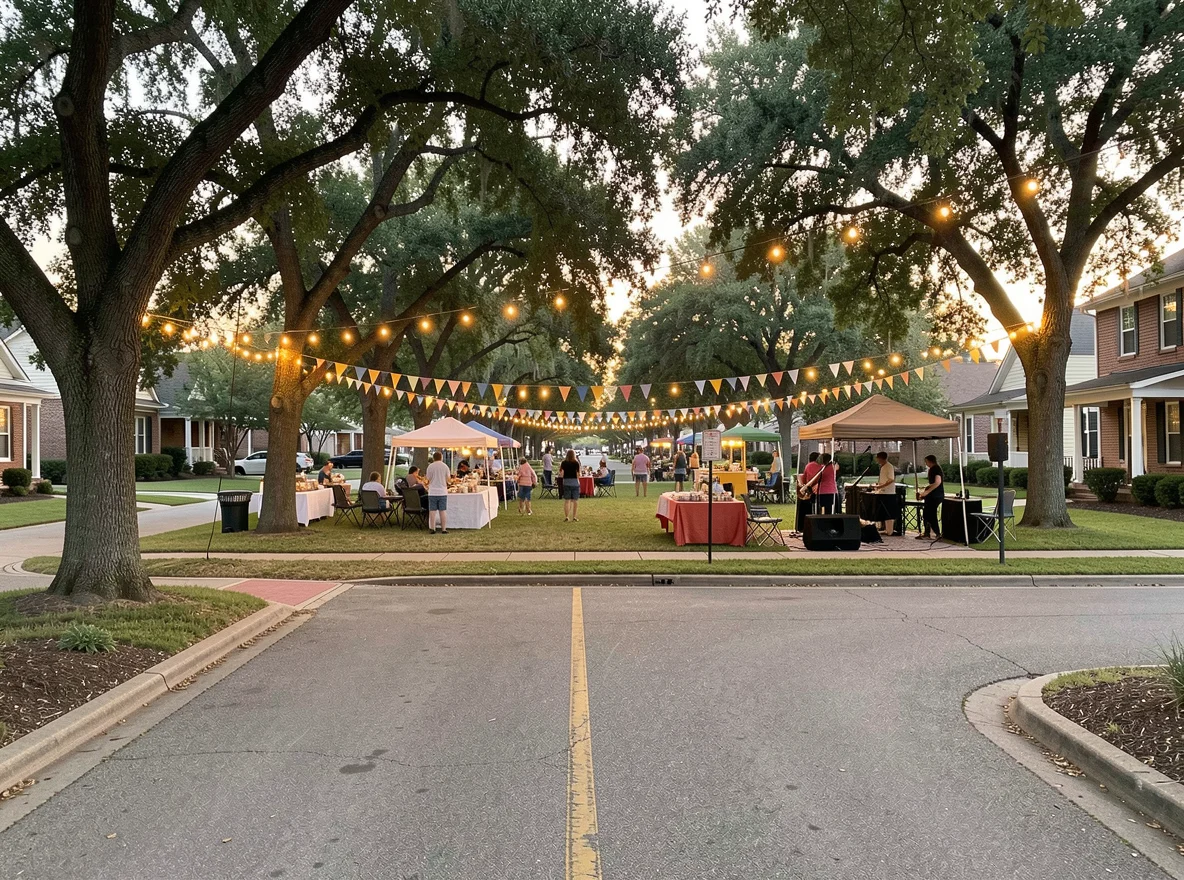
1. Watch the trees. In Austin, mature tree canopy often tells you something important about the age and feel of an area. Older central neighborhoods tend to have established landscaping, deeper lots, and a more settled character that many buyers love. Newer parts of town may offer fresh construction, energy efficiency, and planned amenities, but the visual feel is often more open and less shaded. Neither is better across the board, but the setting says a lot about how a place will feel every day.
2. Time the commute both ways. New arrivals often underestimate how much travel patterns shape quality of life here. A route that seems reasonable in the middle of the day can become a completely different experience during morning or evening traffic. Try the drive to work, school, the airport, and your most likely weekend destinations. In a city where major corridors can define your routine, the right side of town is often the one that gives you back time.
3. Notice what “convenience” means to you. For some buyers, convenience means being near established retail, medical services, and quick errands. For others, it means access to trails, green space, live music, or a favorite coffee stop. Austin offers all of those lifestyles, but not evenly in every direction. If your ideal weekday includes short trips and walkable pockets, your search map may look very different from someone who wants a newer home with more square footage and easy highway access.
Think Beyond the House Itself
4. Study the school patterns even if schools are not your top priority. School boundaries influence buyer demand, resale strength, and neighborhood identity. Families obviously pay close attention, but even buyers without children benefit from understanding how school assignments shape local perception. Areas tied to highly regarded campuses often hold broad appeal, while neighborhoods in transition may offer opportunity for buyers who value flexibility and long-term upside.
5. Pay attention to how people spend time outside. One of the easiest local clues is simply observing what residents do in the early evening. Are people out walking dogs, jogging, pushing strollers, heading to parks, or gathering on patios? That tells you a great deal about energy, pace, and social atmosphere. Some parts of Austin feel highly active and communal, while others feel more private and retreat-like. A neighborhood should support the way you naturally live, not require you to become someone else.

6. Compare weekend geography. Relocation decisions are often made around work, but long-term happiness usually shows up on weekends. If you picture mornings on trails, afternoons on the water, easy access to Hill Country drives, or spontaneous plans with friends, map those habits now. Austin’s lifestyle appeal is deeply tied to recreation, and where you live can make those experiences feel effortless or occasional. The right side of town often reveals itself when you stop asking only where you will sleep and start asking how you want to spend Saturday.
7. Look for the service network around you. Daily life becomes easier when the surrounding ecosystem is already in place. Think groceries, fitness options, childcare, healthcare, and the kind of casual gathering spots you actually use. Buyers are sometimes dazzled by a beautiful property and overlook whether the area supports their routines. In Austin, some neighborhoods feel immediately functional, while others are still catching up to their growth. A strong local guide can help you weigh what is established against what is merely planned.
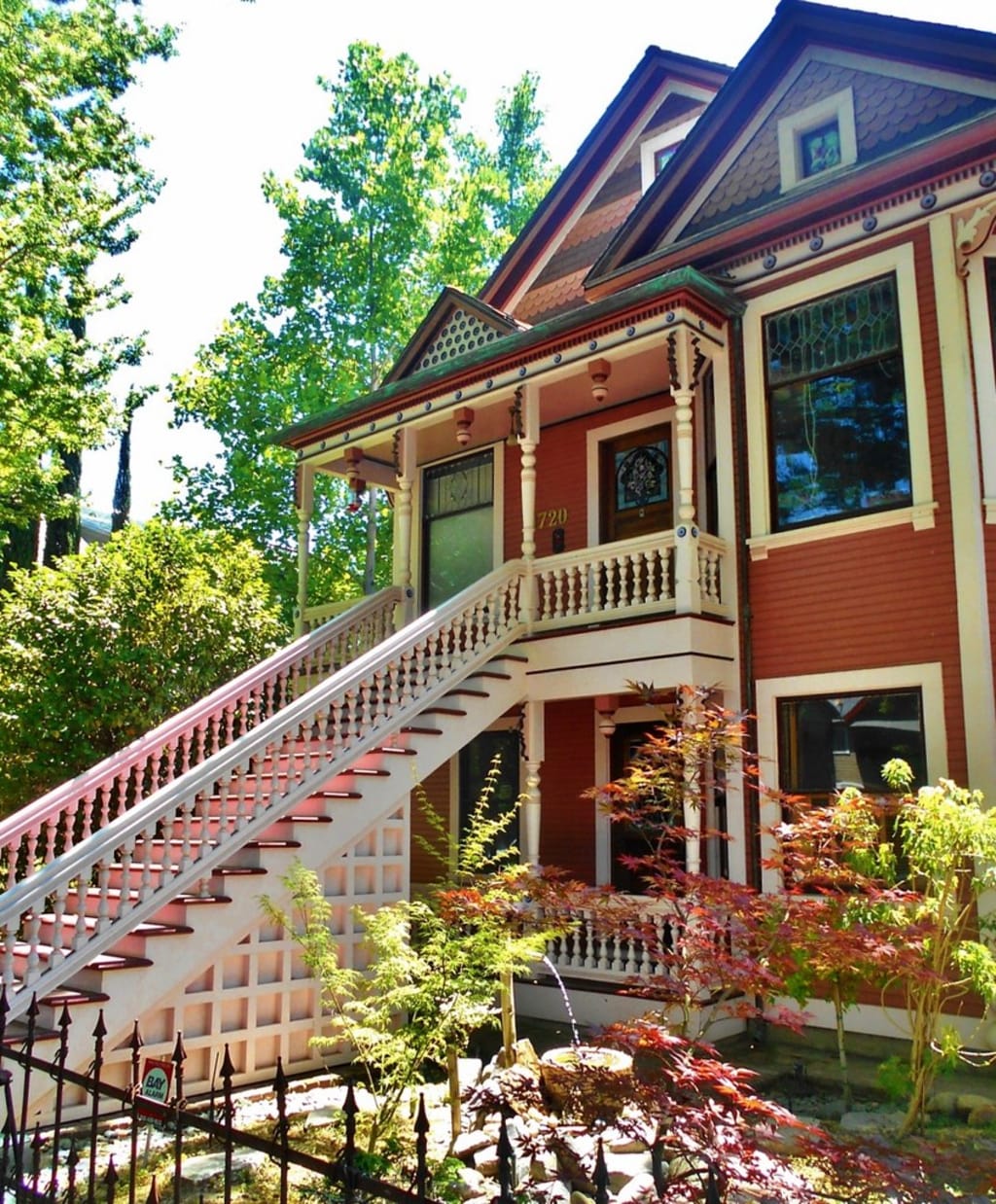
8. Match your home style to the side of town. Real estate preferences and neighborhood patterns often go hand in hand. If you want a renovated midcentury, charming bungalow, or character-rich home with architectural personality, your search may lean toward more established areas. If you prefer open floor plans, larger lots on the edge of growth, or newer communities with neighborhood amenities, another direction may fit better. The best move is not chasing a trend. It is aligning your budget, style, and daily priorities with the places that naturally support them.
The Local Advantage in a Big, Fast-Changing Market
Austin can be exciting, but it can also be deceptively complex for relocation buyers. Two neighborhoods with similar price points may deliver completely different experiences in terms of traffic, community feel, future appreciation, and livability. That is why grounded guidance matters so much. Someone with deep market knowledge, a strong service mindset, and the problem-solving instincts that come from both education and business ownership can help you ask smarter questions before you make a major decision.
In the end, choosing the right side of town is less about north versus south or east versus west. It is about finding the part of Austin that feels intuitive to your life. When your commute works, your weekends feel easy, your favorite places are nearby, and your home matches your priorities, the city starts to feel smaller in the best possible way. That is when relocation stops feeling like a leap and starts feeling like a well-chosen next chapter.